
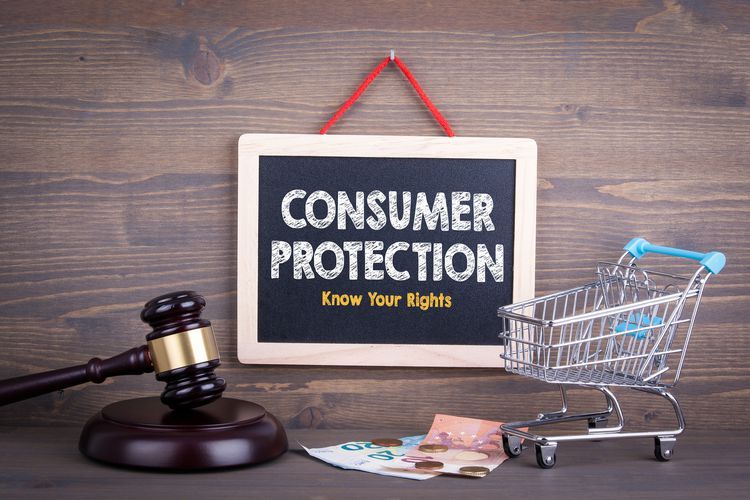
Online selling gives Indian businesses access to customers far beyond their local markets, but it also comes with responsibilities. Whether you sell clothing, electronics, home décor, food products or handmade goods, customers should receive accurate information, fair treatment and a clear understanding of what they are buying.
India’s Consumer Protection Act, 2019, and the Consumer Protection (E-Commerce) Rules, 2020, establish important safeguards for consumers purchasing goods and services online. The rules cover different e-commerce models, although specific duties vary depending on whether a business operates a marketplace, sells through one or runs its own online store. Sellers should therefore understand which requirements apply to their particular setup.
1. Describe Products Honestly
Product titles, photographs, specifications, sizes, materials and descriptions should accurately represent what customers will receive. Avoid exaggerated claims, false guarantees or advertising that conceals important information. Misleading advertisements and unfair trade practices can create legal and reputational risks. Read the government’s Consumer Protection Act and related rules.
2. Be Transparent About Prices and Additional Charges
Display prices clearly and explain applicable delivery charges, taxes and other costs before customers complete a purchase. Do not create a misleading impression of discounts or hide charges until the final stage of checkout. Transparent pricing helps customers make informed decisions and reduces disputes.
3. Explain Shipping, Returns and Refunds
Customers should be able to understand delivery expectations and the applicable cancellation, return, replacement, warranty and refund terms before ordering. Do not make promises your business cannot fulfil. Applicable legal obligations cannot simply be avoided by writing restrictive terms and conditions.
4. Handle Complaints Responsibly
Customers need a clear way to contact the seller or the relevant platform about delayed deliveries, damaged products, incorrect orders or refunds. Respond promptly, maintain records and follow the grievance process applicable to your business model. E-commerce entities also have specific grievance-redressal obligations under the rules.
5. Avoid Fake Reviews and Misleading Promotions
Do not publish fabricated customer testimonials, misrepresent product popularity or use deceptive advertising practices. Honest reviews and straightforward promotions help customers assess products and make decisions based on reliable information.
6. Keep Up With Regulatory Changes
The government announced the Consumer Protection (E-Commerce) Amendment Rules, 2026, which are scheduled to take effect on 1 January 2027. The announced changes include measures concerning complaint handling, search-result transparency, sponsored listings and price-reduction disclosures. Online businesses should review the official notification and prepare for applicable requirements before the effective date.
Official reference: Government announcement on the 2026 amendments.
Ultimately, consumer protection is not just about legal compliance. Accurate information, fair policies and responsive service can help an online business earn repeat customers and build a dependable reputation.
How This Topic Relates to factori.com
For sellers using factori.com, understanding consumer protection is an important part of building a sustainable online business. Creating an online store is only the first step; sellers also need to ensure that product information is accurate, pricing is transparent and customers understand delivery, cancellation, return and refund policies.
factori.com provides a route for retailers to establish an online storefront and access e-commerce support. Retailers should familiarise themselves with the platform's terms, understand which responsibilities belong to them and which are handled by the platform, and ensure their own product claims and customer communications are accurate. Where the platform supports catalogue and fulfilment processes, sellers should still verify the applicable product details, delivery commitments and policies rather than assuming every compliance responsibility is automatically covered.
Reference Links
1. Department of Consumer Affairs — Consumer Protection Act and Rules
Official government resources
2. Consumer Protection (E-Commerce) Rules, 2020
Read the rules
3. Press Information Bureau — 2026 E-Commerce Rules Amendments
Government announcement and key changes
YouTube Video Links for Reference
These are search links for finding relevant videos, not endorsements of specific videos.