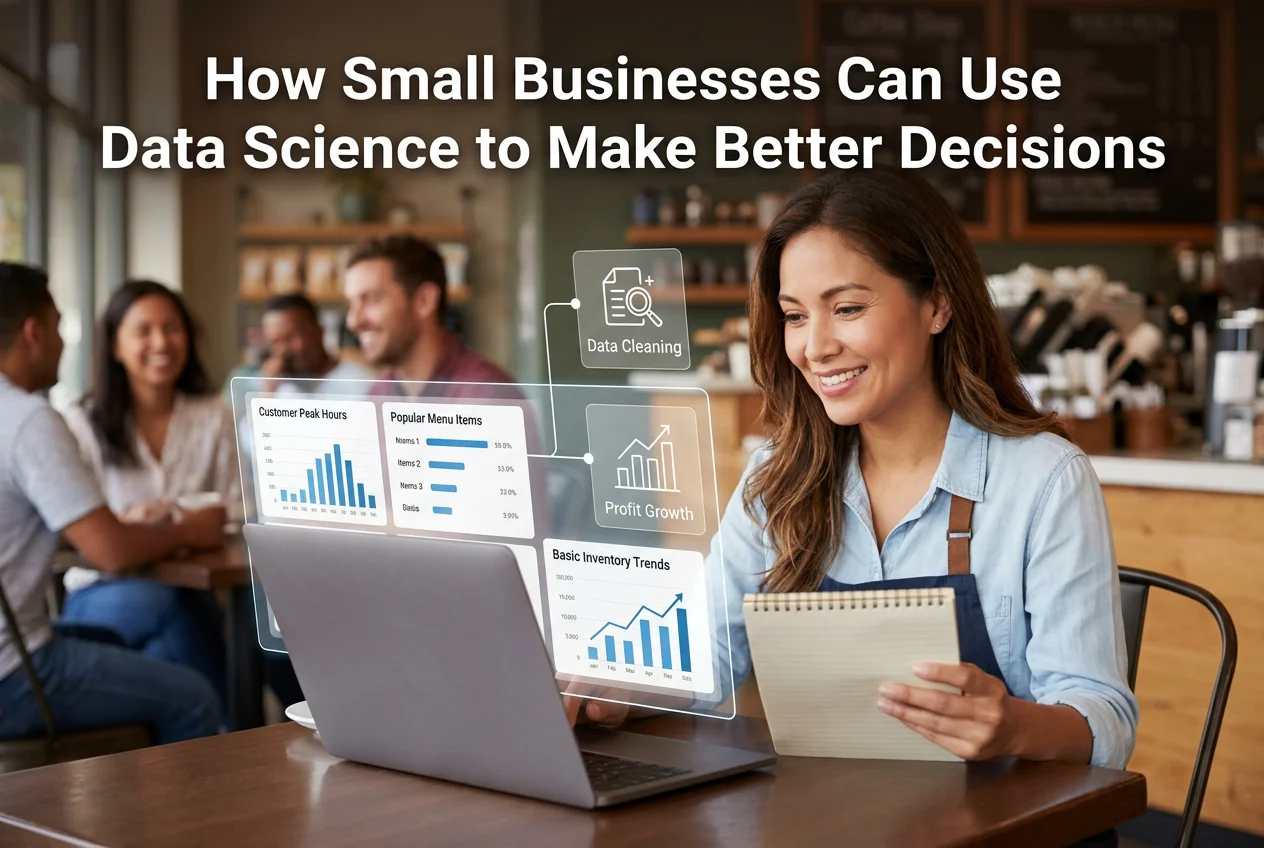
Running a retail business involves making decisions every day, from selecting products and setting prices to managing inventory and planning promotions. While many small retailers rely on experience and intuition to make these decisions, data and analytics can provide additional insights that help them understand what is working, what needs improvement and where new opportunities may exist.
Data analytics involves collecting and interpreting information generated through business activities. For small retailers, this information can include sales figures, popular products, customer purchases, website visits, inventory levels and marketing performance. Even relatively simple data can help business owners make more informed decisions rather than relying entirely on assumptions.
Understanding product performance is one of the most practical applications of analytics. Retailers can identify which products sell consistently, which generate the most revenue and which remain unsold for extended periods. This information can help businesses make better purchasing decisions, avoid unnecessary inventory accumulation and focus on products that customers are actually interested in.
Inventory management is another area where data can make a difference. Analysing historical sales patterns can help retailers estimate demand, identify seasonal trends and understand when products need to be replenished. Maintaining the right stock levels can help reduce the risk of running out of popular products while avoiding unnecessary investment in slow-moving inventory.
Customer insights can also help retailers improve their offerings. By examining purchasing patterns, feedback and customer preferences, businesses can better understand what their customers value. This information can influence product selection, promotional strategies and customer communication. For example, a retailer might discover that certain products are frequently purchased together or that customers respond more positively to particular promotions.
According to Oracle's guide to retail analytics, data analytics can help retailers improve inventory management, marketing, pricing, merchandising and customer experiences. Retailers can use data from sales transactions, customer histories and other business activities to identify patterns, measure performance and make better-informed operational decisions. These insights are not limited to large retail chains and can also be useful for smaller businesses looking to improve efficiency.
Marketing decisions can become more effective through analytics as well. Instead of spending money on promotional activities without understanding their results, retailers can track website traffic, enquiries, conversions and sales. Analysing which campaigns generate customer interest and purchases can help businesses allocate their marketing resources more effectively.
For small retailers entering the digital space, having access to store analytics can provide additional visibility into their business. An online store can offer insights into which products customers view, where visitors come from, what they purchase and how they interact with the website. These observations can help entrepreneurs identify opportunities to improve their product presentation and customer experience.
Platforms such as retailing.factori.com provides entrepreneurs with tools to establish their own online stores and access business insights. Through features such as Google Analytics integration, sellers can monitor website activity, understand visitor behaviour and gain insights into product interest and customer traffic. Alongside store creation, product access, payment integration and packaging and shipping support, factori.com helps entrepreneurs simplify essential aspects of online retailing.
-
-
Oracle – What Is Retail Analytics? Explains how retail analytics supports inventory, marketing, pricing and customer decision-making. Read the guide.
-
Shopify – How to Use Retail Analytics to Improve Store Performance: Covers retail data, inventory management, customer behaviour and store performance. Read the article.
-
Mastercard – The Essential Guide to Retail Analytics: Discusses the use of analytics for customer understanding, merchandising, marketing anail decision-making. Read the guide.
-
-
However, data alone does not guarantee better decisions. Retailers need to understand the information they collect, identify relevant patterns and use these insights alongside their business experience. Tracking a few meaningful metrics consistently can be more useful than attempting to analyse every available number.
Ultimately, data and analytics allow small retailers to make more informed decisions, improve operational efficiency and understand their customers better. As digital tools become increasingly accessible, businesses of all sizes can use data to strengthen their strategies and build more sustainable retail operations.
References