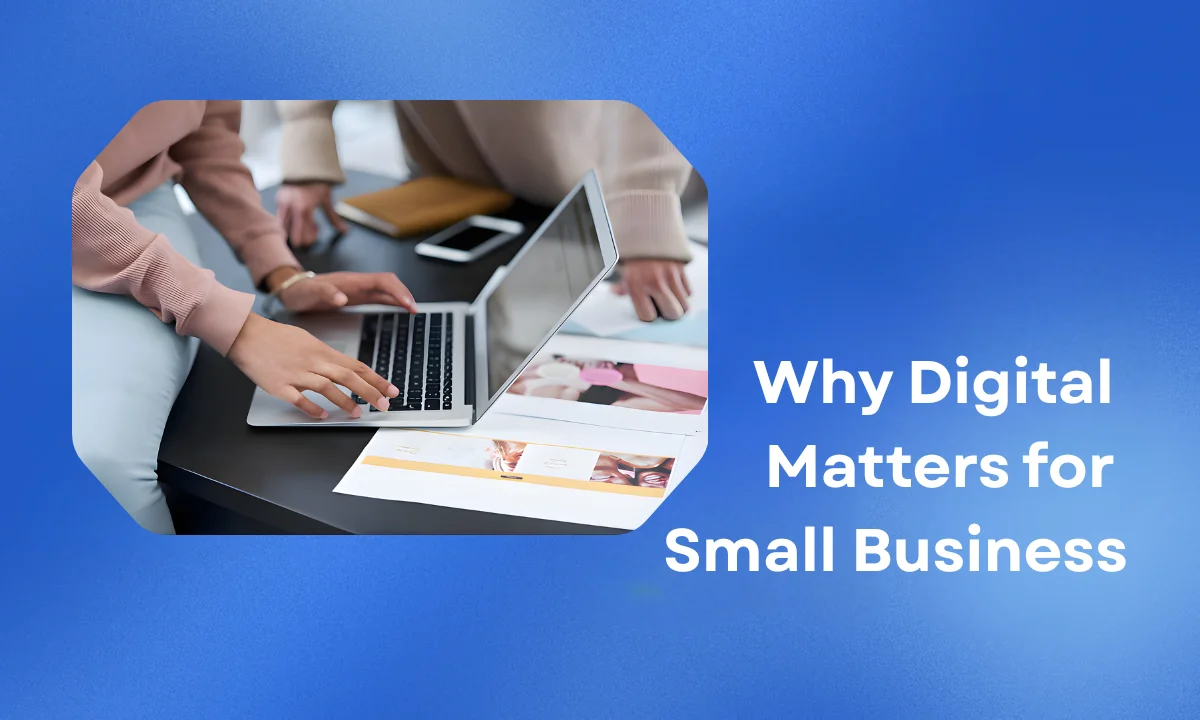
For generations, small businesses have depended on physical stores, local customers and word-of-mouth recommendations to grow. A neighbourhood retailer, a homemaker selling products, or a family-run business could build a livelihood through personal relationships and consistent service. However, as consumer behaviour increasingly shifts online, the definition of business ownership is changing.
Today, having a good product is no longer enough. Businesses also need visibility, accessibility and a reliable way to connect with customers online. This makes digital independence an important consideration for small business owners.
Many entrepreneurs begin their online journey through established e-commerce marketplaces and social media platforms. These channels provide access to potential customers and can help businesses get started. However, depending entirely on third-party platforms can also create limitations. Sellers often have limited control over how their businesses are presented, how customers discover their products and how their brands develop. Their visibility may depend on platform algorithms, advertising costs, commissions and changing policies.
Digital independence offers a different approach. Instead of building a business entirely around someone else's platform, entrepreneurs can establish their own digital identity through a dedicated website and domain name. This gives them greater control over their brand, customer experience and long-term business direction.
An independent online presence also helps build customer trust. When customers visit a business's own website, they can explore its products, understand its identity and connect with the seller directly. Over time, this creates opportunities to develop lasting customer relationships rather than relying entirely on marketplace visibility.
For small business owners, digital independence does not necessarily mean managing complicated technology or investing heavily in infrastructure. Modern e-commerce solutions have made it possible to establish an online store without coding skills, technical expertise or maintaining physical inventory. With platforms such as factori.com, entrepreneurs can create their own online stores, choose their domain names and access a catalogue of over 10,000 products without purchasing stock in advance.
The operational responsibilities can also become easier to manage. From product listings and payment integration to packaging and shipping, technology can simplify several activities that traditionally required significant investment and coordination. This allows entrepreneurs to concentrate on what matters most: promoting their businesses, understanding customers and building their brands.
Another important advantage is flexibility. Homemakers, working professionals, retirees and traditional shopkeepers can explore digital entrepreneurship without necessarily abandoning their existing responsibilities. A business can begin as a small side venture and gradually develop into a larger independent operation.
Digital independence is ultimately about having ownership over more than just the products being sold. It is about owning the business identity, creating a direct online presence and building an asset that can grow over time. Marketplaces and social media can remain valuable channels for discovery, but they do not have to be the foundation of an entrepreneur's entire business.
As India's digital economy continues to expand, small business owners have an opportunity to participate in this growth on their own terms. The next generation of successful entrepreneurs may not simply be those who sell through digital platforms, but those who use technology to build independent businesses and lasting brands.
Digital independence is not just about being online. It is about having control over your business's online future.
References
1. India SME Forum – Digital Adoption Report 2025: Survey of 7,835 MSMEs highlighting digital adoption, customer growth and business opportunities. Read the report.
2. Boston Consulting Group (2026) – $300 Billion Connected Commerce: India's e-commerce market is projected to reach $280–300 billion by 2030. Read the report.
3. Ministry of Statistics and Programme Implementation – ASUSE 2025: Reports an increase in internet usage for entrepreneurial purposes among unincorporated enterprises. Read the findings.
4. ICRIER – Annual Survey of MSMEs in India: Examines how digitalisation, websites and e-commerce can improve MSME competitiveness and market access. Read the report.