
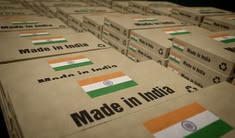
The rise of “Made in India” products and local brands is transforming the way consumers discover, evaluate, and purchase products online. From traditional handicrafts and regional textiles to home décor, fashion, beauty products, and packaged foods, Indian businesses are finding new opportunities to reach customers through digital commerce. As shopping habits evolve, consumers are increasingly exploring homegrown brands that offer distinctive designs, cultural authenticity, and products suited to their preferences.
According to a Deloitte–FICCI report on India's retail sector, 68% of surveyed consumers favoured Indian brands in food and beverages, 55% in home décor, and 53% in personal care. These findings highlight the growing appeal of Indian products across multiple categories. However, long-term success depends on more than their country of origin. Product quality, competitive pricing, reliable delivery, customer service, and brand trust remain essential to earning repeat purchases.
The expansion of e-commerce has made it easier for small businesses, artisans, and independent entrepreneurs to showcase their products beyond their immediate local markets. Social media, online advertising, product videos, customer reviews, and digital storefronts help businesses build awareness and connect with potential buyers across India. Government initiatives such as Make in India and digital commerce developments such as ONDC also reflect broader efforts to encourage entrepreneurship, manufacturing, and wider participation in the digital economy. The Press Information Bureau's overview of ONDC explains how an open digital commerce network can help small businesses, local traders, and micro, small, and medium enterprises access digital markets.
Despite these opportunities, many aspiring entrepreneurs face practical challenges when starting an online business. Managing physical inventory, arranging storage, understanding shipping processes, setting up payment systems, and investing in marketing can make the initial stages difficult. These challenges can be particularly significant for home-based businesses and sellers who want to test a business idea before committing substantial resources.
This is where factori.com connects with the growing demand for local products and online entrepreneurship. The platform promotes an online-store model featuring zero inventory, zero commission, and zero shipping cost, alongside tools and integrations designed to help sellers establish their digital presence. Through retailing.factori.com, aspiring entrepreneurs can explore an approach to launching an online store and showcasing products to potential customers.
For local brands, an online store can become an important part of a broader growth strategy. Sellers can combine their storefront with social media marketing, engaging product content, customer testimonials, and a recognisable brand identity to build awareness and develop customer relationships. While the platform can help simplify aspects of getting started, sellers should evaluate the applicable terms, product availability, and fulfilment arrangements before launching.
Ultimately, the growing popularity of Made in India products represents an opportunity for consumers and businesses alike. By discovering local brands and helping small businesses reach wider audiences, digital commerce can support entrepreneurship, preserve traditional craftsmanship, and create new avenues for growth. With platforms like factori.com making online-store creation more accessible, local entrepreneurs have another route to turn their ideas into businesses and bring Indian products to more customers.
Additional references
YouTube video links for reference
These are YouTube search links to help you select relevant videos for research and article embedding.