International e-commerce trends are increasingly influencing how Indian consumers shop and how businesses sell their products. Developments in the United States, China, Europe and other major digital markets are introducing new shopping experiences, technologies and business models that are gradually becoming part of India's retail ecosystem.
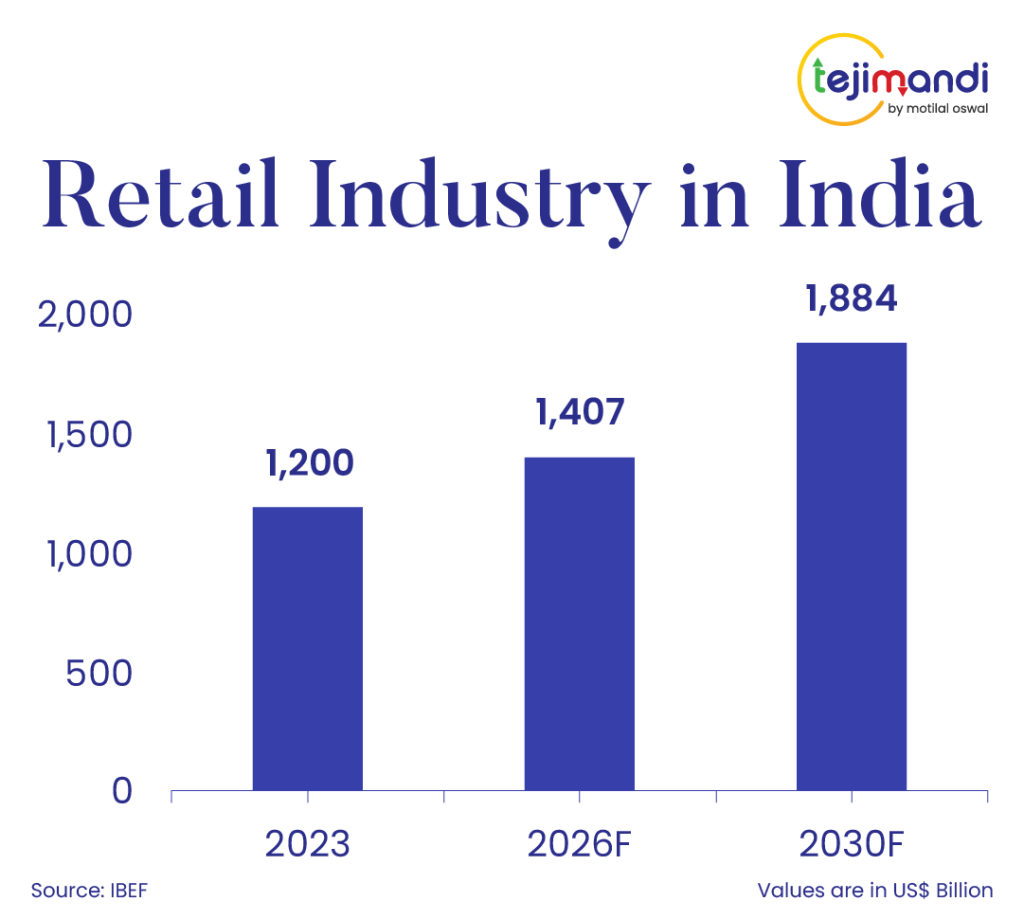
According to the Deloitte and Google report, The $250 Billion Commerce Frontier (April 2026), India's e-commerce market is projected to reach $250 billion by 2030. The report identifies artificial intelligence, creator-led commerce, personalised shopping and quick commerce as important forces shaping the next phase of digital retail. These developments reflect trends already gaining momentum across international markets.
Deloitte+1
1. Artificial Intelligence Is Transforming Online Shopping
AI-powered product recommendations, virtual assistants, personalised advertisements and automated customer support are becoming increasingly common in international e-commerce. Platforms are using AI to understand customer preferences, predict purchasing behaviour and improve product discovery.
India is following the same direction. According to Deloitte and FICCI's August 2026 consumer trends report, AI adoption is influencing customer engagement, demand forecasting and supply chain management across India's retail industry.
2. Social Commerce Is Changing Product Discovery
Internationally, social media has become an important shopping destination rather than simply a marketing channel. Short-form videos, influencers, live shopping and creator recommendations are influencing purchasing decisions.
This trend is particularly visible in India. A May 2026 Meta report highlights how Indian shopping behaviour is shifting from traditional search-based purchasing towards discovery through Reels, creators and conversational messaging. WhatsApp is also becoming an important channel for product discovery and customer engagement.
3. Quick Commerce Is Redefining Convenience
Markets such as China have demonstrated how rapid delivery and technology-enabled fulfilment can change shopping expectations. India has adopted this model rapidly, expanding quick commerce beyond groceries into beauty, electronics and household essentials.
Redseer's September 2026 report estimates that India's online retail market crossed $38 billion in the first half of 2026, with quick commerce emerging as a significant growth driver.
4. Cross-Border Commerce Is Creating Global Opportunities
International shopping is making it easier for consumers to access products from different countries while allowing businesses to explore overseas markets. DHL's 2026 E-Commerce Trends Report found that 70% of surveyed global shoppers purchase internationally. This growing acceptance of cross-border shopping creates opportunities for Indian brands to reach international customers.
5. Independent Online Stores Are Becoming More Accessible
Another important international trend is the growing accessibility of e-commerce technology. Businesses no longer need to build complicated infrastructure to establish an online presence.
This is where retailing.factori.com becomes relevant. The platform helps individuals and retailers launch their own online stores in approximately 30 minutes without coding, inventory investment or warehouse management. With access to over 10,000 products, integrated Razorpay payments, and packaging and shipping support, retailers can focus on promoting their businesses while the platform manages essential operational activities.
By providing an independent website, domain and brand identity, retailing.factori.com makes online business ownership more accessible to traditional retailers, homemakers, working professionals and aspiring entrepreneurs.
International e-commerce trends demonstrate that the future of retail will be increasingly intelligent, connected and customer-focused. As these developments influence Indian consumer behaviour, businesses that embrace technology and build their own digital presence will have greater opportunities to participate in the country's evolving retail economy.