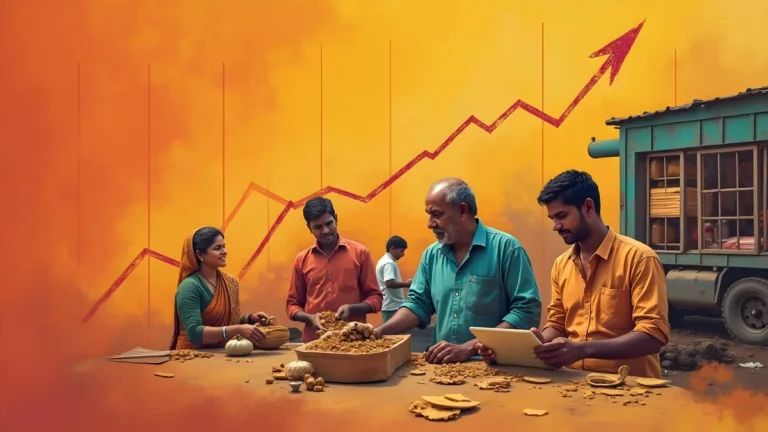
India’s business landscape is witnessing a shift as small, independent brands find their place in the digital marketplace. These businesses, often called micro-brands, typically begin with a focused product range, a specific audience, and a clear brand identity. They might sell handmade jewellery, regional food products, personalised gifts, home décor, clothing, or niche beauty products. Instead of competing directly with established companies on scale, they focus on what makes them different.
The rise of micro-brands is closely connected to changing consumer behaviour. Online shoppers can discover niche products through Instagram Reels, YouTube videos, influencer recommendations, customer reviews, and community-led conversations. A small business no longer needs a prominent high-street location to attract attention. A compelling product, consistent content, and a trustworthy online buying experience can help it reach customers far beyond its neighbourhood.
Research into India's direct-to-consumer market reflects this broader shift. McKinsey's February 2026 report on MSMEs and the direct-to-consumer revolution examines how smaller businesses are seeking flexible, direct, and lower-cost ways to reach consumers. Meanwhile, India's D2C research by IMA India highlights the importance of digital discovery, customer trust, and multichannel growth in building consumer brands.
One of the biggest advantages micro-brands have is their ability to create personal connections. Customers may be drawn to a product because of its design, but they often remain loyal because of the experience surrounding it. Behind-the-scenes videos, founder stories, customer testimonials, packaging details, and transparent communication help make a brand memorable. When customers feel connected to a business, they are more likely to recommend it to friends, share its content, and return for future purchases.
However, building a loyal following requires more than viral content. Micro-brands need consistent product quality, fair pricing, reliable fulfilment, responsive customer service, and a recognisable identity. Entrepreneurs must also understand their target audience, track which products perform well, and invest in marketing channels that generate meaningful results rather than simply accumulating followers.
This is where factori.com connects with the micro-brand opportunity. Through retailing.factori.com, entrepreneurs can explore creating their own branded e-commerce store, complete with a custom domain, website templates, payment gateway integration, and access to a catalogue of ready-to-sell products. The platform promotes a model with zero inventory, zero commission on sales, and zero shipping cost, subject to its applicable platform-fee rules and terms. It also offers custom branding options for eligible products.
For someone who wants to build a business around a particular audience or product category, having a dedicated online storefront can help create a more consistent brand experience than relying exclusively on social media or third-party marketplace listings. Entrepreneurs can use social platforms to attract attention and direct interested customers to their store, while working to build recognition and repeat purchases. Sellers should verify product suitability, branding options, pricing, and fulfilment conditions before choosing their business model.
Ultimately, the rise of micro-brands demonstrates that a small business does not need to start big to think ambitiously. By combining a distinctive idea with customer-focused storytelling, effective digital marketing, and the right e-commerce infrastructure, Indian entrepreneurs can turn niche interests into meaningful business opportunities. Platforms like factori.com provide one possible route to establishing an online store, allowing aspiring brand builders to focus on discovering their audience and developing their identity.
Reference Links
1. McKinsey & Company – The Great Unbundling of Indian E-commerce Explore how MSMEs and direct-to-consumer businesses are finding new ways to reach customers. Read the report
2. IMA India – Scaling D2C in India Research on digital discovery, consumer trust, and building direct-to-consumer brands. Read the research
3. Think with Google – How Challenger Brands Can Grow in India Insights into emerging consumer brands, digital marketing, and customer behaviour. Explore the article
4. factori.com – Build Your Own Online Store Learn about branded storefronts, product catalogues, payment integrations, and fulfilment support. Explore factori.com Retailing
5. factori.com Academy – Learn Online Retailing Free learning resources covering store setup, product selection, marketing, and business growth. Explore the Academy