India's e-commerce industry has undergone a remarkable transformation over the past decade. What initially started as an alternative to traditional shopping has become an important part of everyday consumer behaviour. Affordable smartphones, cheaper internet access, digital payments and improved delivery networks have brought millions of consumers into the online shopping ecosystem. However, the next phase of e-commerce growth could look very different from the one India experienced between 2015 and 2025.
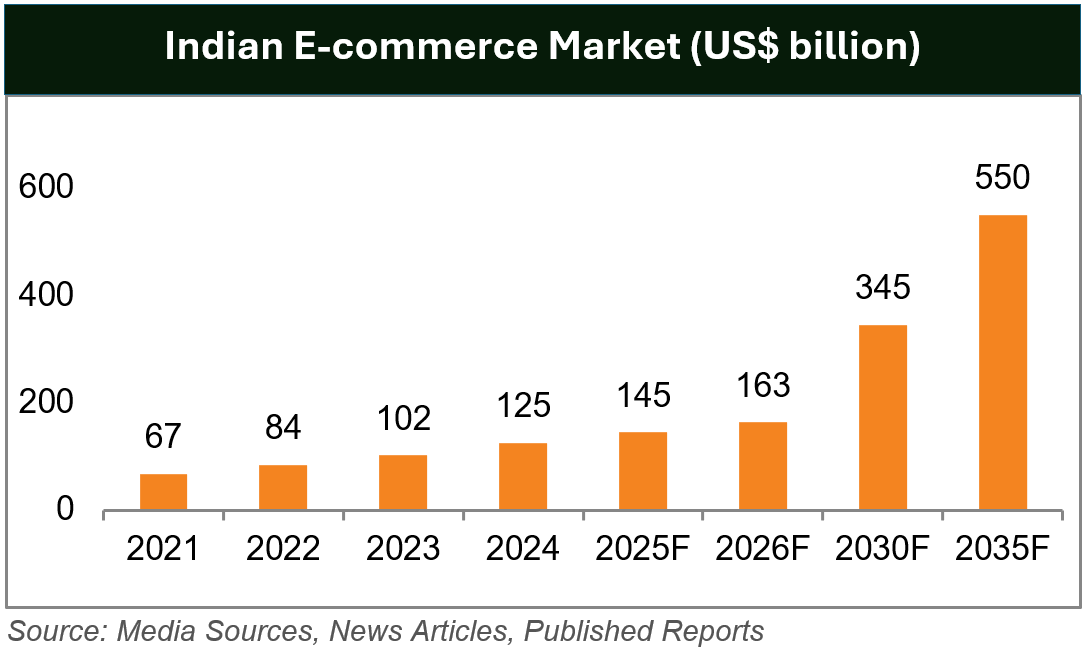
According to the India Brand Equity Foundation (IBEF), India's e-commerce industry, valued at approximately $125 billion in 2024, is projected to reach $345 billion by 2030. The online shopper base has also reached nearly 290–300 million in 2025, highlighting the growing acceptance of digital commerce across the country.
1. Growth Will Come From Beyond Metropolitan Cities
During the last decade, much of India's e-commerce growth was driven by consumers in metropolitan cities. The coming years are expected to bring a broader shift, with Tier II, Tier III and smaller towns contributing significantly to online shopping.
Improved internet connectivity, regional payment adoption and increasing purchasing power are making digital shopping accessible to new consumer segments. Businesses will need to understand regional preferences, local languages and different purchasing behaviours to reach these emerging markets.
2. Technology Will Become Central to Shopping
Technology will play a much bigger role in shaping the next generation of e-commerce. Artificial intelligence, personalised recommendations, automated customer support and intelligent product discovery are expected to make online shopping more convenient.
A Google-Deloitte report projects India's e-commerce market to reach $250 billion by 2030. It identifies artificial intelligence, creator-led commerce and faster fulfilment as important forces behind this transformation.
The focus will gradually shift from simply making products available online to creating personalised and engaging shopping experiences.
3. Convenience Will Go Beyond Product Delivery
Consumers are increasingly expecting convenience throughout their shopping journey. Faster deliveries, simplified payments, easy returns and reliable customer support will become essential elements of online retail.
Businesses will also need to invest in smarter logistics and fulfilment systems to manage growing order volumes while maintaining operational efficiency.
4. Independent Online Businesses Will Gain Importance
Perhaps one of the biggest changes in the next phase of e-commerce will be the growing importance of independent retailers and entrepreneurs.
In the previous decade, many small businesses depended on established marketplaces and social media platforms to sell their products. However, owning an independent website gives businesses greater control over their brand identity, digital presence and customer relationships.
This is where retailing.factori.com becomes relevant. The platform helps individuals, traditional retailers and aspiring entrepreneurs establish their own online stores in approximately 30 minutes without coding knowledge, developers or inventory investment.
With access to over 10,000 products, sellers can create their own digital storefronts while factori.com takes care of packaging and shipping. Entrepreneurs can also establish their own domain and business identity instead of depending entirely on third-party marketplaces.
By simplifying the process of starting an online business, retailing.factori.com makes digital entrepreneurship more accessible to people who want to participate in India's growing e-commerce economy.
5. The Focus Will Shift Towards Sustainable Business Growth
The next decade will not simply be about increasing the number of online shoppers. Businesses will need to focus on profitability, customer trust, operational efficiency and long-term relationships.
India's e-commerce journey is moving beyond basic digital adoption towards a more connected, technology-driven and inclusive retail ecosystem. The biggest opportunities will belong to businesses that understand these changes and adapt accordingly.
Ultimately, the next phase of e-commerce will not just transform how India shops. It could also change who gets to participate in the digital economy and how businesses build their future.