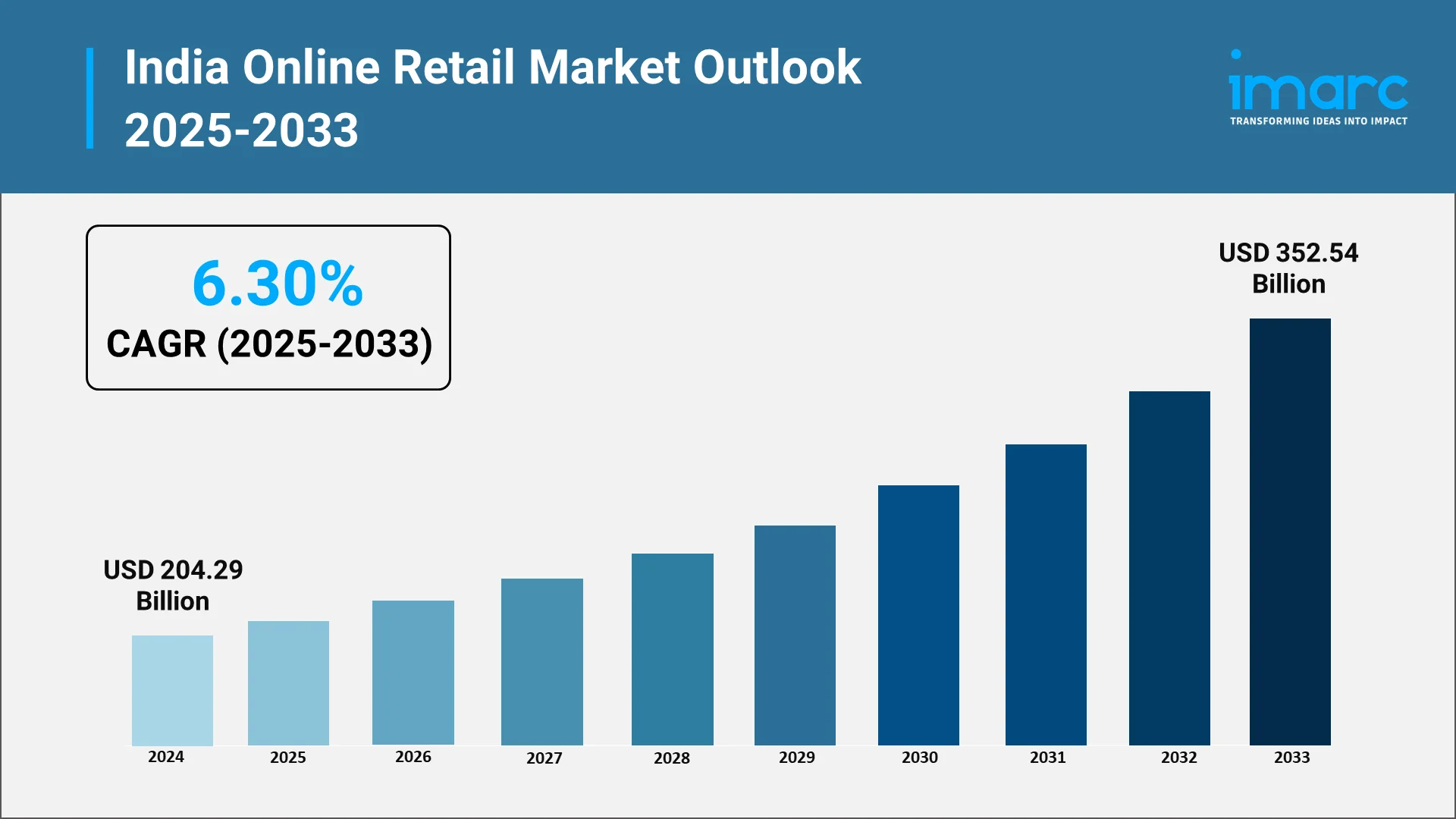
India's digital retail economy is experiencing significant growth, transforming how consumers discover, purchase and interact with businesses. Rising internet penetration, smartphone adoption, digital payment infrastructure and changing shopping habits are creating new opportunities for retailers, entrepreneurs and businesses across the country.
According to a September 2026 report by Redseer Strategy Consultants, India's online retail market grew approximately 25% year-on-year in the first half of 2026, reaching nearly $38 billion. The report projects that the market will cross $90 billion by the end of 2026, representing annual growth of 22–24%. This makes 2026 one of the strongest growth years for India's online retail industry in the past five years.
1. India's Online Shopper Base Continues to Expand
The growth of digital retail is closely connected to the increasing number of Indians shopping online. According to the How India Shops Online 2026 report by Bain & Company and Flipkart, India's e-retail market reached approximately $65–66 billion in 2025, with the number of online shoppers growing to 290–300 million.
Interestingly, Gen Z consumers now account for approximately 40–45% of online shoppers. Tier 2 and smaller cities are also becoming important contributors, accounting for nearly half of incremental e-retail orders in 2025. This demonstrates that online shopping is no longer limited to metropolitan consumers.
2. Everyday Categories Are Driving Digital Retail Growth
Another important development is the changing composition of online purchases. Grocery, beauty and personal care, and home and furniture are emerging as major growth categories.
Redseer's 2026 industry analysis indicates that grocery recorded approximately 53% growth in the first half of 2026. It is also expected to overtake mobile phones as India's second-largest online retail category. Consumers are increasingly comfortable purchasing everyday essentials and lifestyle products through digital platforms.
3. Digital Infrastructure Is Making Online Business More Accessible
Digital payments and logistics have played an important role in expanding India's retail ecosystem. UPI has significantly simplified transactions, allowing businesses to receive payments without depending entirely on traditional payment methods.
According to IBEF, UPI accounted for approximately 85% of India's digital payment transactions by volume in FY2025–26. Improved logistics networks, quicker deliveries and technology-enabled business operations are further strengthening consumer confidence in online shopping.
4. Opportunities for Independent Retailers and Entrepreneurs
While large e-commerce platforms continue to expand, the growing digital economy also creates opportunities for independent retailers and small business owners. Businesses can now establish an online presence without investing heavily in inventory, warehouses or technical infrastructure.
This is where retailing.factori.com becomes relevant. The platform enables individuals and retailers to launch their own online stores in approximately 30 minutes without coding or managing inventory. With access to over 10,000 products, integrated Razorpay payments and support for packaging and shipping, retailers can focus on promoting their businesses while the platform manages essential operational activities.
Having an independent website also allows business owners to establish their own brand identity, domain and customer presence rather than depending entirely on third-party marketplaces.
As India's digital retail economy continues to expand, the opportunity is not limited to established businesses. Individuals, homemakers, working professionals and traditional retailers can also participate in this transformation by building their own digital businesses.
The latest industry numbers indicate that India's next phase of retail growth will be shaped not just by large marketplaces but also by wider participation from independent sellers and entrepreneurs.