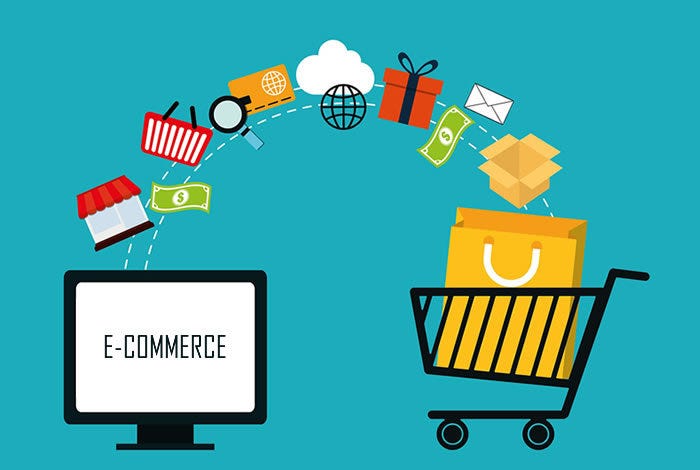
India's e-commerce industry is witnessing significant growth as consumers increasingly shift towards online shopping. Rising internet penetration, affordable smartphones, digital payment adoption and changing purchasing habits are transforming how people discover and buy products. With a large population and an expanding digital consumer base, India is becoming one of the most promising markets for online retail.
According to industry estimates, India's e-commerce market is expected to continue expanding rapidly, supported by increasing demand from both metropolitan and smaller cities. Consumers are becoming more comfortable purchasing everything from fashion and electronics to groceries and household essentials online. This shift is encouraging businesses of all sizes to strengthen their digital presence and explore new ways of reaching customers.
Increasing Competition in Online Retail
The Indian e-commerce market is becoming increasingly competitive, with several established and emerging e-commerce platforms investing in technology, logistics, product availability and customer experience. Businesses are focusing on competitive pricing, faster deliveries, convenient payment options and personalised shopping experiences to attract and retain customers.
As more consumers embrace online shopping, e-commerce platforms are also expanding their reach into Tier II and Tier III cities. These markets present significant opportunities because of growing internet accessibility, increasing purchasing power and changing consumer preferences.
Changing Consumer Expectations
Today's online shoppers expect more than just product availability. Convenience, affordability, delivery reliability, secure payments and a smooth shopping experience are becoming important factors in purchasing decisions.
This changing behaviour is encouraging businesses to adopt digital solutions and rethink traditional retail models. Having an online presence is no longer limited to large businesses. Small retailers, independent sellers and aspiring entrepreneurs are also recognising the importance of participating in the digital economy.
Opportunities for Independent Retailers
While large e-commerce platforms continue competing for online shoppers, independent retailers have an opportunity to establish their own digital identities and build direct relationships with customers.
This is where retailing.factori.com becomes relevant. The platform helps individuals and traditional retailers create their own online stores in approximately 30 minutes without coding knowledge, developers or inventory investment. With access to over 10,000 products, sellers can establish their digital storefronts while factori.com takes care of packaging and shipping.
By providing an independent website and domain, retailing.factori.com enables entrepreneurs to build an online business under their own brand identity rather than depending entirely on existing e-commerce platforms.
As India's online shopping market continues to expand, the opportunity is not limited to established companies. Independent retailers and aspiring entrepreneurs can also participate in this growth by embracing digital commerce and building their own online presence.