India's retail market is undergoing a significant transformation as technology, changing consumer preferences and digital infrastructure reshape how products are discovered, purchased and delivered. Over the coming years, five major e-commerce developments could influence the direction of the Indian retail industry, creating new opportunities for established brands, small retailers and aspiring entrepreneurs.
1. Artificial Intelligence Will Transform Shopping Experiences
Artificial intelligence is expected to become an important part of online shopping. Personalised product recommendations, conversational shopping assistants, virtual try-ons and automated customer support are changing how consumers interact with online platforms. According to the Google and Deloitte report The $250 Billion Commerce Frontier, India's e-commerce market could reach $250 billion by 2030. The report also highlights how AI-powered personalisation will influence shopping experiences and business operations.
Read: Deloitte and Google – The $250 Billion Commerce Frontier.
2. Quick Commerce Will Expand Beyond Groceries
Quick commerce is moving beyond everyday essentials into categories such as beauty, fashion, electronics and household products. Consumers are increasingly expecting faster deliveries and greater convenience. A joint Redseer and Google report projects that India's quick commerce market could grow from approximately $13 billion in FY2026 to $70–90 billion by FY2031.
Read: Redseer – Think Quick Commerce: Unlocking the $90 Billion Opportunity.
3. Smaller Cities Will Become Important Retail Growth Centres
Tier 2 and Tier 3 cities are becoming increasingly important to India's online retail expansion. Affordable smartphones, digital payments, improved connectivity and wider product availability are bringing more consumers into digital commerce. According to IBEF, smaller cities accounted for approximately 65% of new online shoppers in 2025. This creates opportunities for regional businesses and retailers to reach customers beyond their immediate locations.
Read: IBEF – Indian E-commerce Industry Analysis.
4. Social Commerce and Creator-Led Shopping Will Grow
Social media is becoming more than a platform for entertainment and brand promotion. Product demonstrations, creator recommendations, short-form videos and shoppable content are influencing purchasing decisions. The Google-Deloitte report estimates that creators could influence 30% of India's total retail spending by 2030. This development could make content creation, customer engagement and digital brand identity essential parts of retail strategy.
Read: Google and Deloitte – India's E-commerce Market to Reach $250 Billion by 2030.
5. Independent Online Businesses and Retail Digitisation Will Gain Momentum
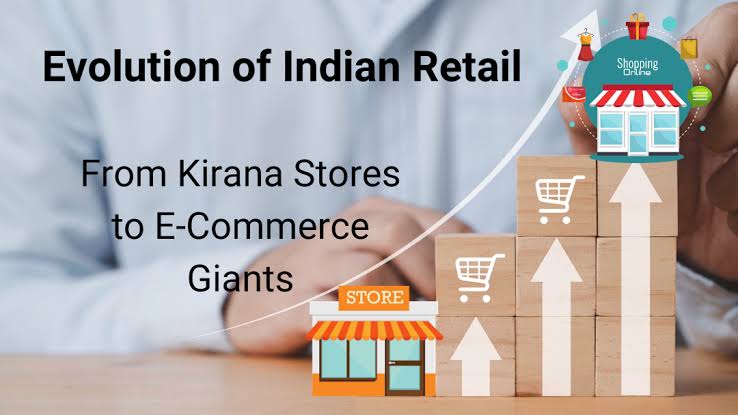
Another important development will be the growing participation of small retailers and independent entrepreneurs in digital commerce. Initiatives such as ONDC's DigiDukaan are helping digitise kirana stores by improving procurement, inventory visibility and access to distributors. As traditional retail becomes increasingly connected to digital infrastructure, smaller businesses will have more opportunities to modernise their operations.
Read: Press Information Bureau – ONDC DigiDukaan and Kirana Retailer Digitisation.
This is also where retailing.factori.com becomes relevant. The platform helps individuals and traditional retailers establish their own online stores without requiring coding knowledge, technical expertise or inventory investment. Sellers can access more than 10,000 products, create independent branded websites and use integrated payment facilities, while factori.com supports packaging and shipping. This allows entrepreneurs to concentrate on promoting their businesses and building customer relationships rather than managing complicated operational processes.
Together, these five developments indicate that India's retail transformation will extend far beyond the growth of online marketplaces. The future will increasingly depend on technology, accessibility, convenience and the ability of smaller businesses to participate in digital commerce.