India's e-commerce industry has witnessed significant changes over the past few years, but 2026 is emerging as an especially important year for the sector. From the expansion of quick commerce and artificial intelligence to changing consumer preferences and the growth of smaller retailers, several developments are reshaping how businesses operate and customers shop online.
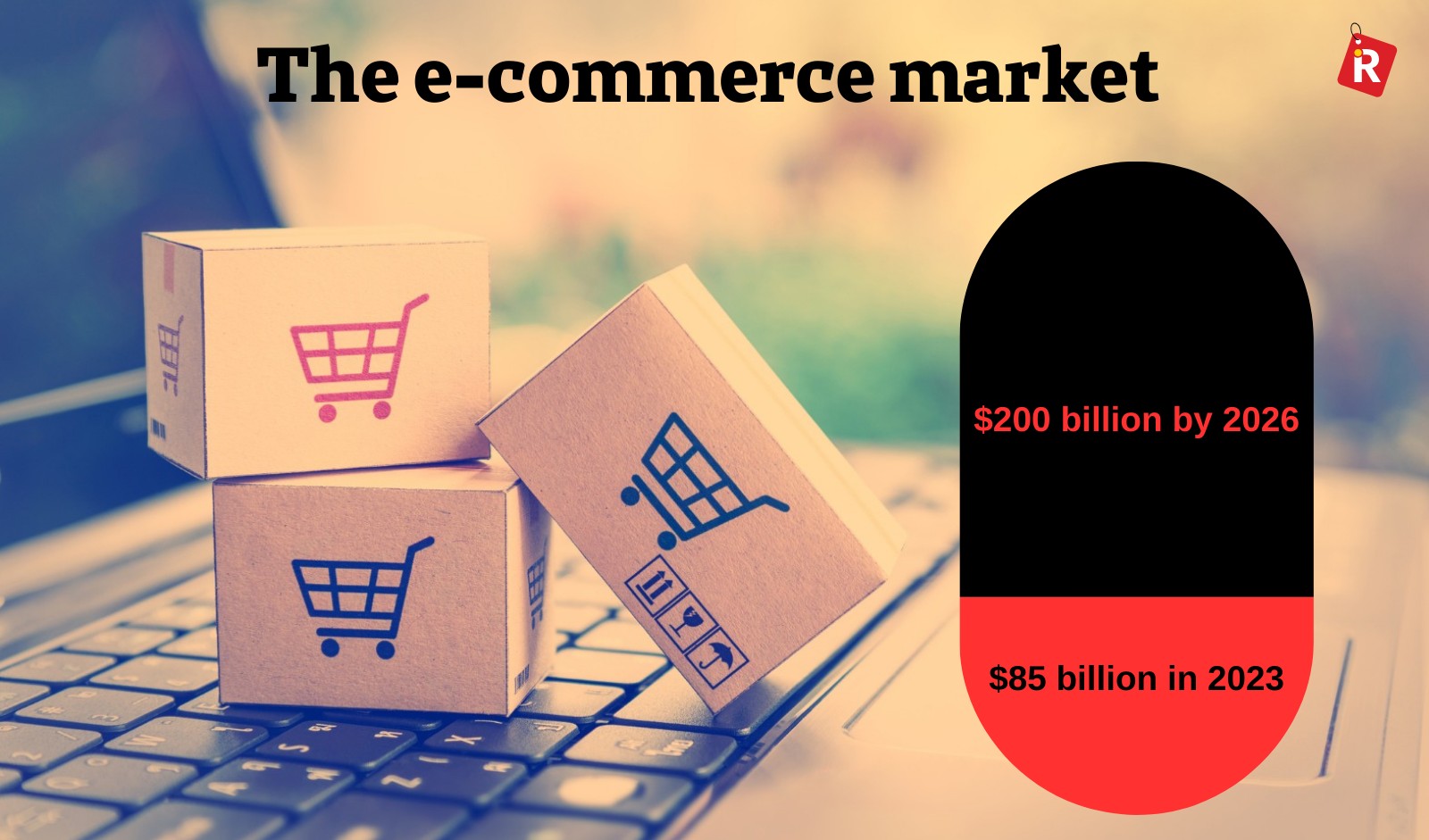
One of the biggest developments to watch is the continued expansion of quick commerce. What initially started as a convenience-driven grocery delivery model is now expanding into fashion, beauty, electronics, gifting and other categories. According to Redseer Strategy Consultants' September 2026 report, India's online retail market is projected to cross $90 billion in 2026, growing by approximately 22–24%. Quick commerce is becoming an important contributor to this expansion. However, the festive season has also highlighted increasing competition and changing spending patterns across online retail.
Artificial intelligence is another major development transforming e-commerce. Businesses are increasingly using AI for personalised product recommendations, customer support, inventory management, marketing and product discovery. Shopping is also becoming more interactive, with consumers discovering products through short-form videos, social media creators and conversational platforms rather than relying entirely on traditional search-based shopping.
Facebook+1
Another important shift is the growing participation of consumers from Tier 2 and Tier 3 cities. Improved internet connectivity, digital payment systems and wider product availability are bringing more customers into the online marketplace. According to BCG, India's e-commerce market could reach $280–300 billion by 2030, supported by the convergence of online and offline retail, quick commerce and social commerce.
BCG+1
The growing importance of independent brands and direct-to-consumer businesses is also worth watching. Consumers are increasingly discovering regional products, specialised brands and businesses that operate beyond traditional retail networks. This creates opportunities for small retailers, manufacturers and first-time entrepreneurs to reach customers across different parts of the country.
This is where retailing.factori.com becomes relevant to the industry's changing landscape. The platform helps aspiring entrepreneurs and traditional retailers establish their own online stores without requiring coding skills, technical expertise or inventory investment. With access to more than 10,000 products, an independent website, integrated payment facilities and support for packaging and shipping, sellers can concentrate on promoting their businesses while the platform manages essential operational requirements. By reducing the complexity of starting an online business, retailing.factori.com makes digital entrepreneurship more accessible.
As 2026 approaches its final months, the biggest development to watch is not simply how much India's e-commerce market grows, but how widely its opportunities expand. The next phase will be shaped by intelligent technology, faster fulfilment, changing consumer behaviour and greater participation from smaller businesses. These developments could make online commerce more accessible, competitive and inclusive.