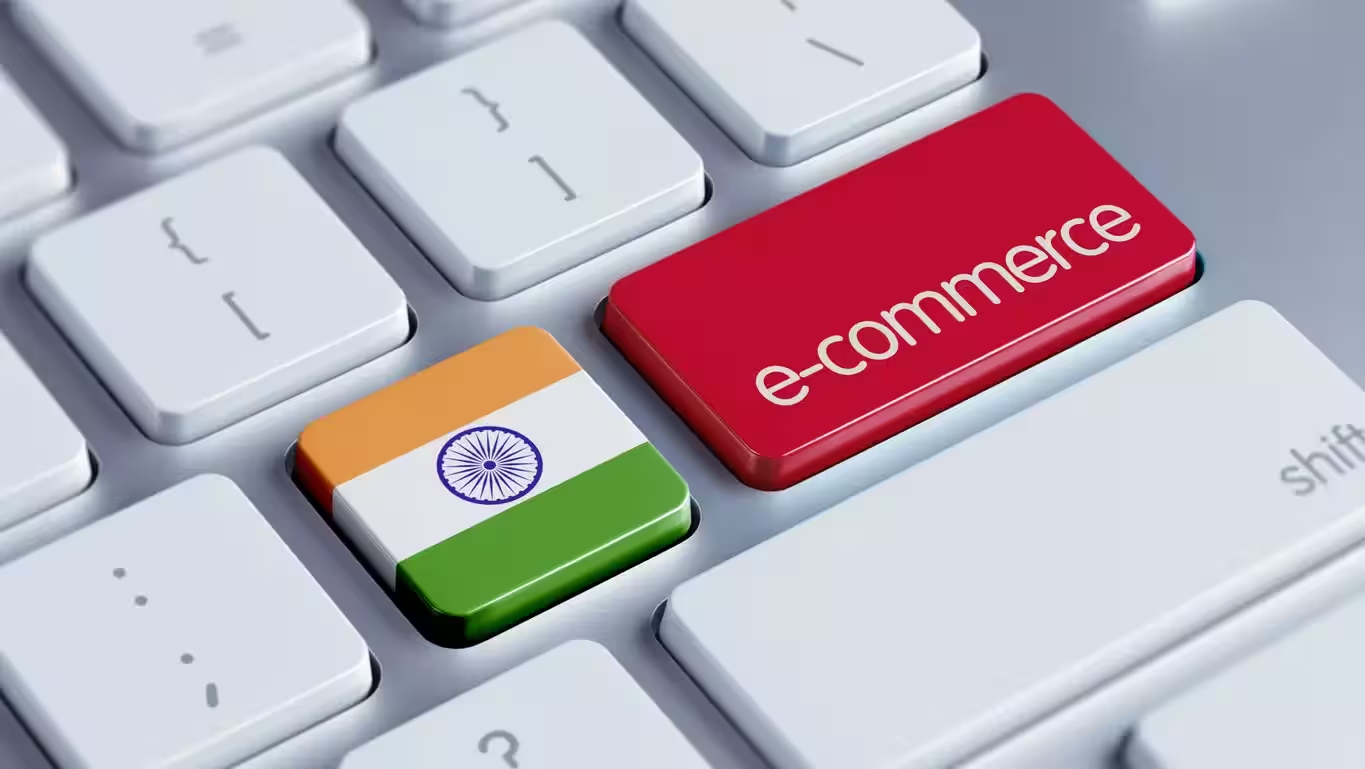
India's e-commerce industry is approaching a significant turning point. What began as a convenient way to purchase products online is gradually becoming a much larger digital ecosystem, creating opportunities for consumers, retailers, manufacturers, small businesses and aspiring entrepreneurs. With changing shopping habits, improved internet connectivity, digital payment adoption and technological advancements, the industry is moving towards a new phase of transformation.
One of the biggest drivers of this change is the growing participation of consumers from Tier 2 and Tier 3 cities. Online shopping is no longer limited to metropolitan areas. Consumers across smaller cities and towns are increasingly discovering products, comparing prices and purchasing directly through digital platforms. This expansion is allowing businesses to reach customers beyond their traditional geographical boundaries.
According to projections by the Boston Consulting Group (BCG), India's e-commerce market could reach approximately $280–300 billion by 2030. This growth reflects the increasing importance of digital commerce in India's retail economy. It also highlights how changing consumer expectations are encouraging businesses to rethink how they sell, market and deliver products.
Technology is another major factor shaping the industry's future. Artificial intelligence is making product discovery, personalised recommendations, customer support and business operations more efficient. Quick commerce is changing expectations around delivery speed, while digital payment infrastructure is making online transactions increasingly accessible. At the same time, social commerce and direct-to-consumer businesses are creating new ways for brands to connect with customers.
However, perhaps the most important transformation is the growing opportunity for smaller retailers and individual entrepreneurs. Earlier, establishing an online business often required significant investment in website development, inventory, warehousing, technology and logistics. These requirements prevented many aspiring business owners from entering the digital marketplace.
This is where platforms such as retailing.factori.com are contributing to the changing e-commerce landscape. By simplifying the process of establishing an online store, the platform enables individuals and traditional retailers to build their own digital businesses without requiring technical expertise or maintaining inventory. Sellers can create their own branded websites, choose from a catalogue of more than 10,000 products and receive support for payment integration, packaging and shipping. This allows entrepreneurs to concentrate on promoting their stores and building customer relationships rather than managing complicated operational processes.
The ability to operate an independent online store also gives sellers greater control over their business identity. Instead of depending entirely on third-party marketplaces or social media platforms, entrepreneurs can establish their own website, domain and brand presence.
As India's digital economy expands, the next phase of e-commerce will not be defined by large marketplaces alone. It will increasingly depend on how effectively technology makes online business accessible to people who previously lacked the resources or knowledge to participate.
India's e-commerce transformation, therefore, is not simply about more people shopping online. It is about more people gaining the opportunity to sell online, build independent businesses and participate in the country's growing digital economy.
Online References
-
Deloitte – India's E-commerce Market Set to Reach $250 Billion by 2030
-
Meta and Retailers Association of India – AI Fuels India's Omnichannel Shopping Surge