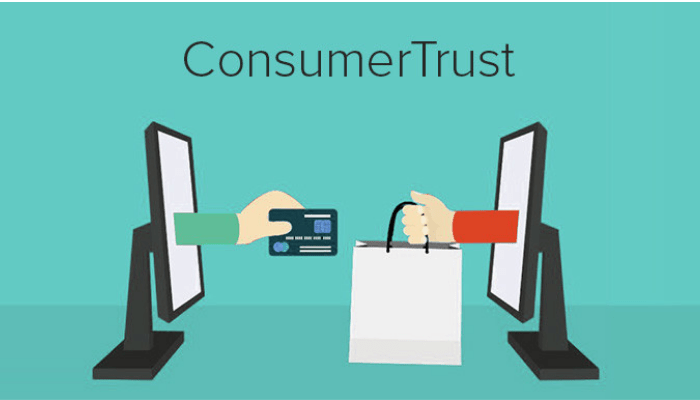
In online shopping, a great discount can catch a customer's attention. A limited-time offer, a festive sale or a special price can encourage shoppers to explore a product they might otherwise overlook. But getting someone to click on an offer is only the first step. Convincing them to complete the purchase — and shop again — requires something more valuable: trust.
Unlike a physical store, where customers can see a product, speak directly to the seller and assess its quality before buying, online shopping involves a degree of uncertainty. Customers rely on product photographs, descriptions, reviews, payment options, delivery promises and return policies to decide whether a business is reliable. When these details are unclear, even the biggest discount may not be enough to convince them.
Research reflects this shift in consumer expectations. A 2025 Ipsos report on India's online shopping trends found that 68% of consumers identified convenience and speed as key motivations for shopping online, while 61% cited offers and discounts as a major attraction. Price matters, but it is not the only factor shaping online purchase decisions.
Trust is built through several small but important experiences. Accurate product descriptions help customers understand what they are buying. Genuine photographs and transparent pricing reduce uncertainty. Clear delivery timelines, reliable order updates and accessible customer support reassure buyers that someone is accountable after the payment is made.
Reviews and return policies also play an important role. According to a PwC India report on digital commerce, 65% of Indian consumers use their smartphones to read product reviews, while 57% check return policies before making a purchase. These behaviours show that customers are not simply comparing prices; they are also evaluating the risks involved in buying from a particular seller.
The importance of trust becomes even clearer after the first transaction. Imagine two online stores selling the same product. One offers a slightly lower price but provides limited product information and no clear assistance if something goes wrong. The other communicates openly, delivers as promised and responds when customers have questions. Even if the second store is marginally more expensive, customers may prefer buying from it again because the experience feels dependable.
For small retailers and independent online businesses, this creates an important opportunity. They may not always be able to compete with large marketplaces on discounts, advertising budgets or promotional campaigns. However, they can build an identity around honest communication, product knowledge, consistent service and personal customer relationships. Responding promptly to enquiries, sharing realistic product information and resolving complaints responsibly can gradually turn first-time buyers into repeat customers.
This is also why building a credible online presence matters. A professional website with the business's own name, clear contact information, organised product listings and transparent policies gives customers more information about whom they are buying from. Platforms such as factori.com make it easier for retailers to establish their own online stores without needing extensive technical knowledge. With the platform supporting store creation and backend operations such as packing and shipping, retailers can focus more on presenting their products, communicating with customers and building relationships.
Discounts will continue to play a role in attracting shoppers, especially during competitive sale periods. But a business built only around lower prices may find it difficult to retain customers once another seller offers a better deal. Trust creates a stronger foundation: customers know what to expect, feel confident placing an order and have a reason to return.
Ultimately, successful online shopping is not just about finding the cheapest product. It is about finding a seller who delivers what they promise. For online retailers, the long-term advantage lies not simply in offering a lower price, but in giving customers a reason to believe in the business.
References & Further Reading
-
Ipsos – Clicking Into The Future: Trends Driving India’s Online Shopping Surge (2025)
https://www.ipsos.com/en-in/clicking-future-trends-driving-indias-online-shopping-surge -
PwC India – The Five Es to Drive E-commerce
https://www.pwc.in/assets/pdfs/research-insights/research-insights-hub/the-five-es-to-drive-digital-commerce.pdf -
KPMG India – India CX Report 2025: Retail
https://kpmg.com/in/en/insights/2025/03/india-cx-report-2025/retail.html